Dengue in the Klang Valley: what to watch for in the first three days
Dengue cases have risen sharply across Selangor and Kuala Lumpur in 2026. Most people recover with rest and fluids, but knowing the warning signs, and which painkillers to avoid, makes the difference.
Key points
- Malaysia recorded 65,979 dengue cases by early September 2026, up 66% on the same period last year. Selangor has the most cases of any state.
- Dengue usually starts with a sudden high fever, headache and body aches.
- The riskiest time is often when the fever starts to come down, around days 3 to 7.
- Use paracetamol for fever. Avoid aspirin, ibuprofen and other NSAIDs.
- See a doctor for a blood test if a fever lasts more than two days.
Why 2026 has been a hard dengue year
By epidemiological week 35, Malaysia had recorded 65,979 dengue cases and 62 deaths, up from 39,616 cases and 32 deaths over the same period in 2025. The Klang Valley has been hit hardest. By mid-August, Selangor had 25,090 cases (up 61%), while Kuala Lumpur and Putrajaya together had 10,316 (up 106%). By 7 October, Selangor’s total for the year had passed 31,000, according to the iDengue portal.
The Ministry of Health has linked the rise to a shift in the dominant virus type from DENV-2 to DENV-3, a strain many people have little immunity to, along with erratic weather that alternates heavy rain and heat. More than 70% of mosquito breeding sites found by health officers are in and around homes.
What dengue is
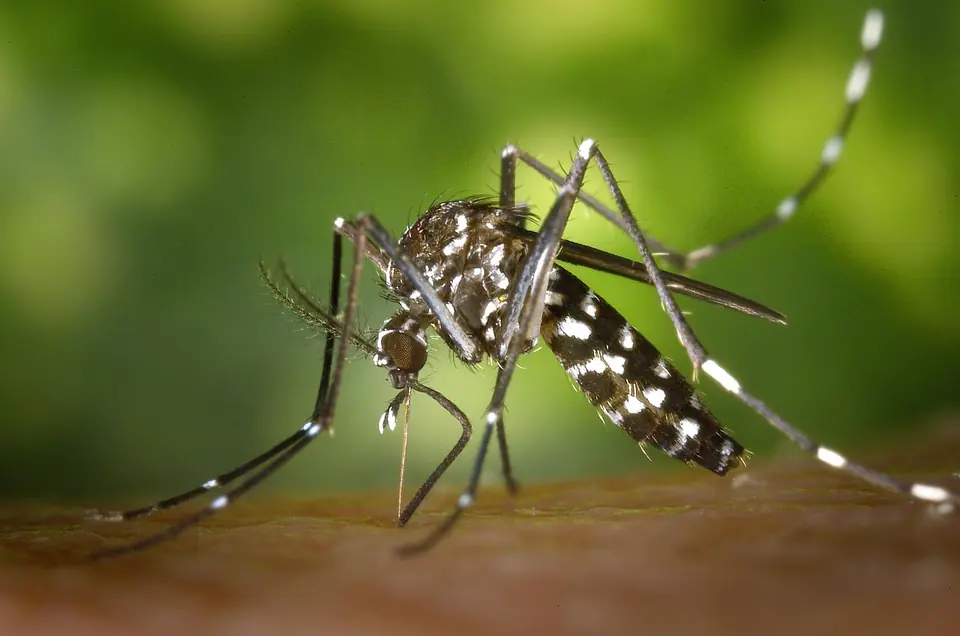
Dengue is a viral infection spread by Aedes mosquitoes, which bite mostly during the day. In a dense, humid region like the Klang Valley, they breed easily in small pockets of clean standing water: flower-pot trays, roof gutters, discarded containers.
Many infections are mild. But a small number of people develop severe dengue, which needs hospital care. Knowing what to watch for helps you act at the right time.
The first three days
Symptoms usually appear 4 to 10 days after a mosquito bite. Common early signs include:
- Sudden high fever
- Severe headache and pain behind the eyes
- Muscle and joint pain
- Nausea, vomiting or loss of appetite
- A rash, sometimes appearing a few days in
If a fever lasts more than two days, especially if someone nearby has had dengue, see a GP. A simple blood test (full blood count) helps your doctor track your platelets and hydration.
Warning signs
The critical phase often begins as the fever drops. Feeling a little better is not always a sign you are through it.
Caring for yourself at home
If your doctor says you can recover at home:
- Rest as much as you can, and take time off work or school.
- Drink often: water, oral rehydration salts, clear soups or coconut water.
- Use paracetamol for fever and pain, at the dose on the label.
- Avoid aspirin, ibuprofen and other NSAIDs, which can raise the risk of bleeding.
- Keep follow-up appointments, even if you feel better.
Prevention at home
Ten minutes a week makes a real difference. Walk around your home and empty, scrub or cover anything that holds water: plant trays, pails, pet bowls, roof gutters and air-conditioner drip trays. Use repellent during the day, and wear long sleeves outdoors in the early morning and late afternoon.
Wolbachia mosquitoes: in some areas, health authorities release mosquitoes carrying Wolbachia bacteria, which reduce the spread of dengue. Officials credited the programme with a 36% drop in Putrajaya’s cases in early 2026.
Vaccine: the Qdenga dengue vaccine received conditional approval in Malaysia in 2024 for people aged 4 and over, given as two doses three months apart. It is available at private clinics and hospitals but is not part of the national immunisation programme. Ask your doctor whether it suits you.
Where to get checked in Kuala Lumpur
Any GP clinic can assess you and arrange tests or referrals. Our Kuala Lumpur clinic directory lists opening hours, phone numbers and directions as clinics are added.
Browse the clinic directoryFrequently asked questions
Can I take ibuprofen if I think I have dengue?
No. Use paracetamol for fever and pain. Ibuprofen, aspirin and other NSAIDs can increase the risk of bleeding in dengue.
Is there a dengue vaccine in Malaysia?
Yes. Qdenga has conditional approval for people aged 4 and over and is available privately. It is not part of the national immunisation programme, so ask your doctor whether it is suitable for you.
How long after a mosquito bite do dengue symptoms start?
Usually 4 to 10 days after the bite.
Sources
- Bernama — Dengue cases rise 66% (9 Sep 2026)
- Reuters via Sowetan — Dengue cases up in Klang Valley, health ministry warns (21 Aug 2026)
- New Straits Times — Sharp rise in dengue cases and deaths (6 Jul 2026)
- iDengue — Ministry of Health dengue portal
- Malay Mail — Putrajaya dengue cases drop 36.2% (4 May 2026)
- CodeBlue — No plans yet for dengue vaccine in national programme (Jul 2025)
- World Health Organization — Dengue and severe dengue fact sheet